











The hosting blamed the developer. The developer blamed the hosting. Scott was stuck in the middle.
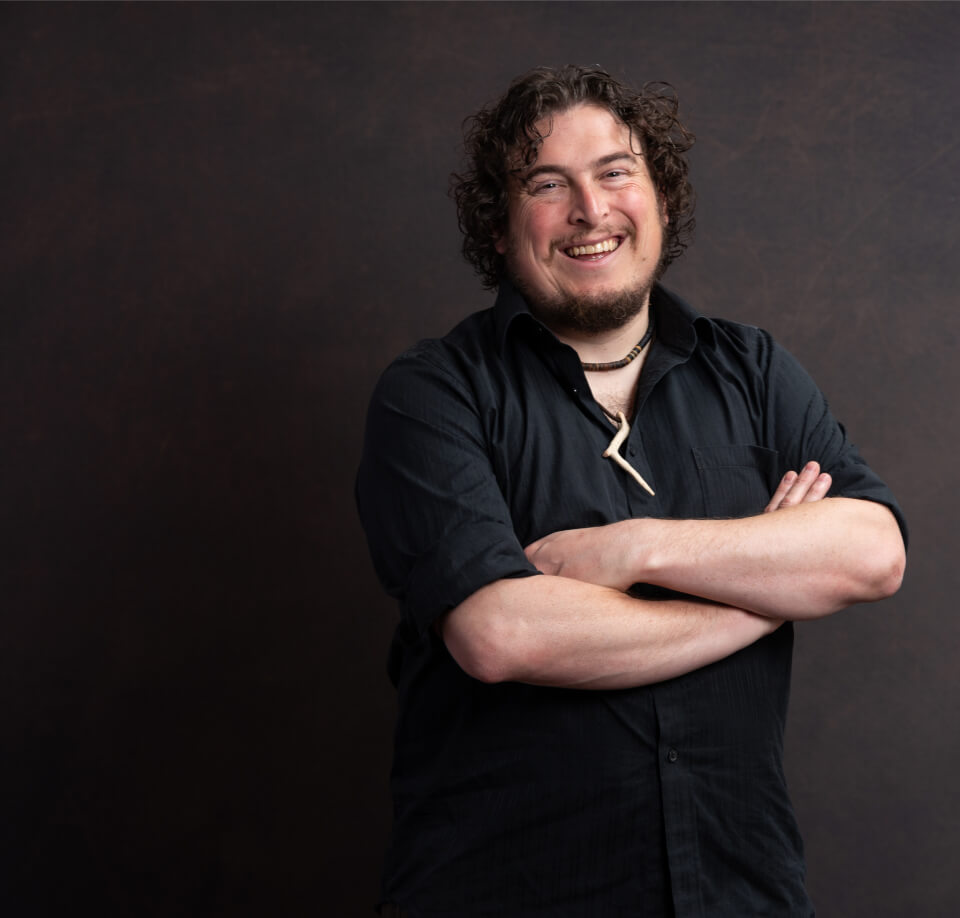
Scott Baptie runs Food For Fitness, a UK business selling weight-loss programmes and high-protein recipe books. The business operates online, so the website matters.
And the site kept going down.
By Scott's account, it happened several times a day. His hosting company pointed at the developer. The developer pointed at the hosting company.
Scott was left in the middle, sending screenshots, sitting on support chats, and trying to work out who was actually responsible for getting his site back online.
Scott wasn't short of WordPress know-how. He'd been handling updates and backups himself.
What he didn't have was one team accountable for the whole site.
That changed when Food For Fitness moved its site to Justin's team at Evergreen Profit, now TunedWP.
The team moved the site onto hosting it managed directly and took over the updates and backups.
Scott says the repeated outages stopped straight away.
The gap between the hosting and the developer was gone. The team hosting the site was now the team responsible for it.
That responsibility extended to performance.
In April 2021, a new caching setup was tested on staging, but the test showed it did not work with the site.
A later June test recorded the homepage's mobile PageSpeed score improving from 12 to 90.
The working relationship dates back to at least 2018. In a video testimonial, Scott summed up the experience this way:
“Without a doubt, it is the best service that I've signed up to.”
The point isn't that nothing will ever go wrong with a WordPress site.
It's that when something does, you shouldn't have to referee between companies trying to decide whose problem it is.
If your hosting keeps the server running but everything else still comes back to you, the question is:
Who actually owns the problem when something breaks?